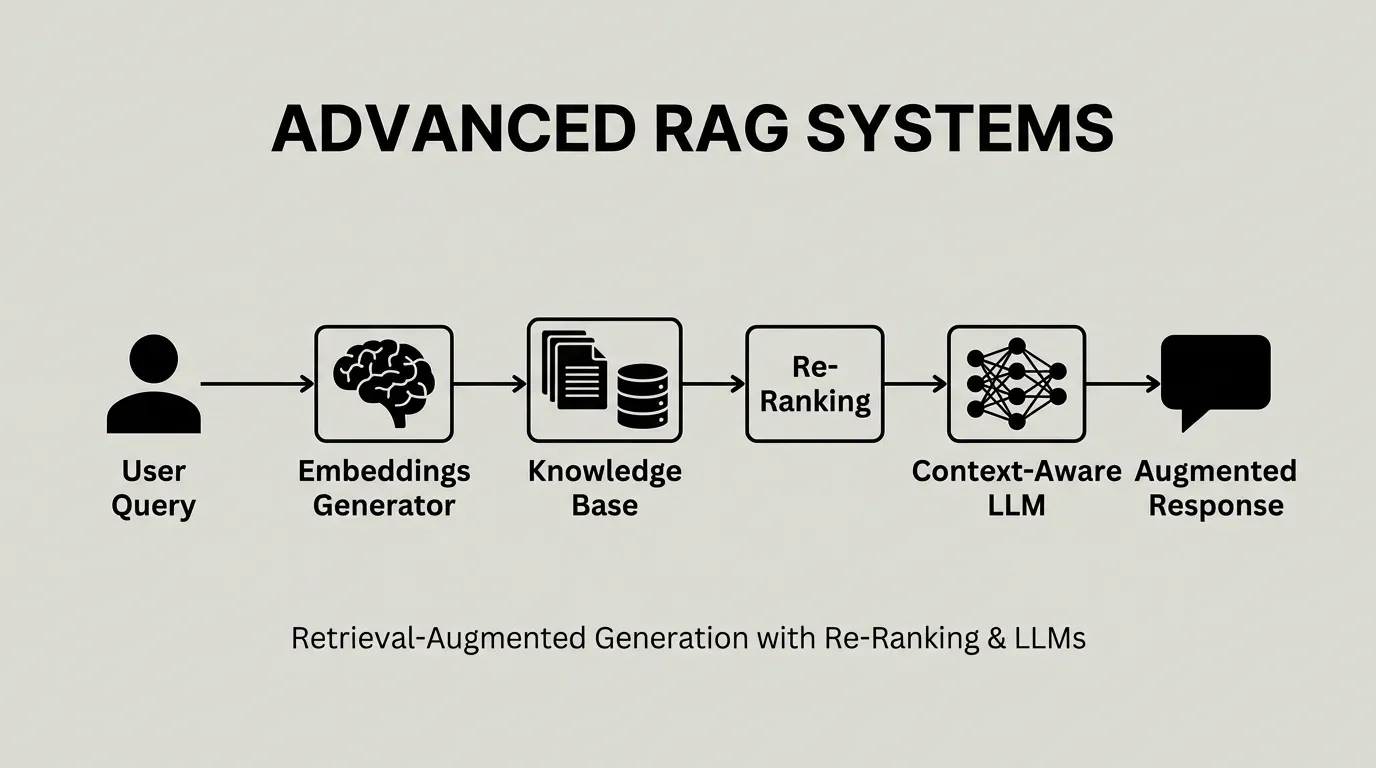
Advanced RAG Systems for Complex Documents
Overcoming Multi-Hop Reasoning & Temporal Challenges with Hybrid Retrieval & Multimodal Integration (84% Accuracy Boost)
19 posts published

Overcoming Multi-Hop Reasoning & Temporal Challenges with Hybrid Retrieval & Multimodal Integration (84% Accuracy Boost)

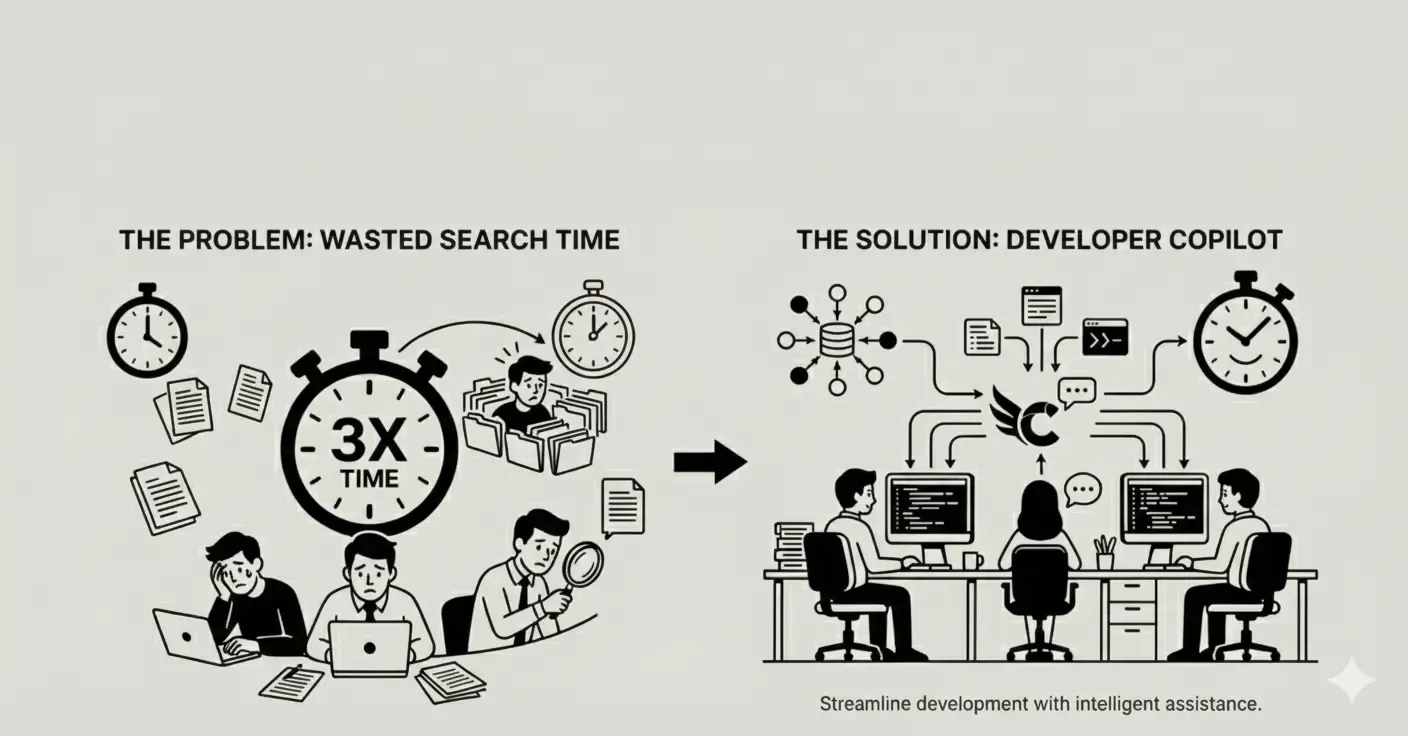
Knowledge workers waste 3X more time searching for answers than creating. Learn how context copilots eliminate fragmented knowledge, information decay, and trust deficits to help engineering teams work faster with source-backed answers.
The universe's origins have fascinated humanity for centuries. From ancient myths to cutting-edge scientific theories, understanding how the universe came into existence has always been a central question for explorers and thinkers alike. This article dives into the Big Bang Theory, the most widely accepted explanation for the universe's birth.

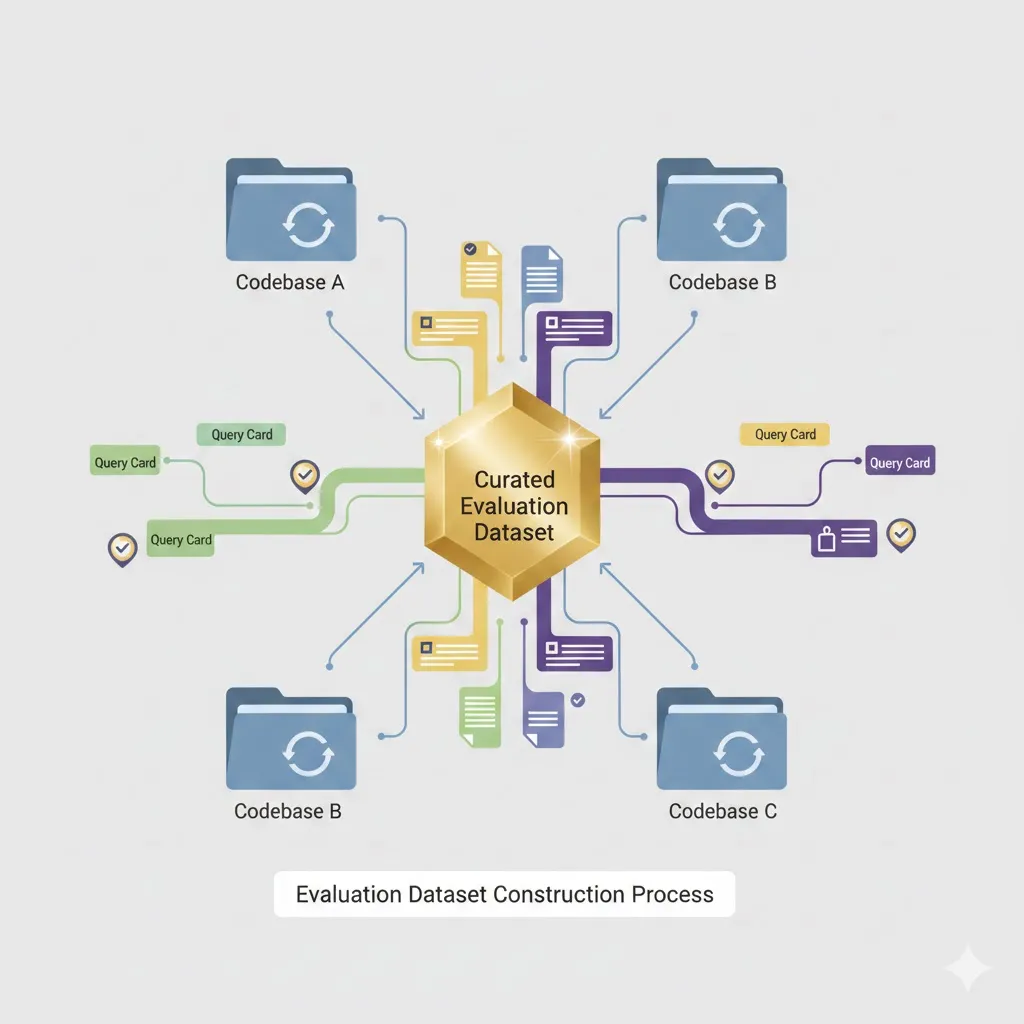
Before creating evaluation datasets for a GraphRAG system, you must understand your codebase topology. This post walks through building repository dependency graphs, classifying repos by role, mining real developer questions, and identifying high-priority code regions that stress cross-repository retrieval.

Modern AI models advertise million-token context windows like they're breakthrough features. But research shows performance collapses as context grows. Here's why curated context and precise retrieval beat raw token capacity—and how we've already solved it.

Zcash pioneered zk-SNARKs, and Bytebell now makes developing on Zcash faster by unifying every line of cryptographic, protocol, and documentation knowledge into a single searchable graph—helping privacy projects cut onboarding time and eliminate technical debt.

Even with AGI, fragmented context and trust deficits will persist. Discover why source-bound answers, versioned memory, and knowledge infrastructure will be your competitive advantage in the next decade—and how to build it today.

Discover how to integrate the Model Context Protocol (MCP) into your Developer Copilot for real-time data fetch, secure action workflows, and seamless AI-driven developer automation.

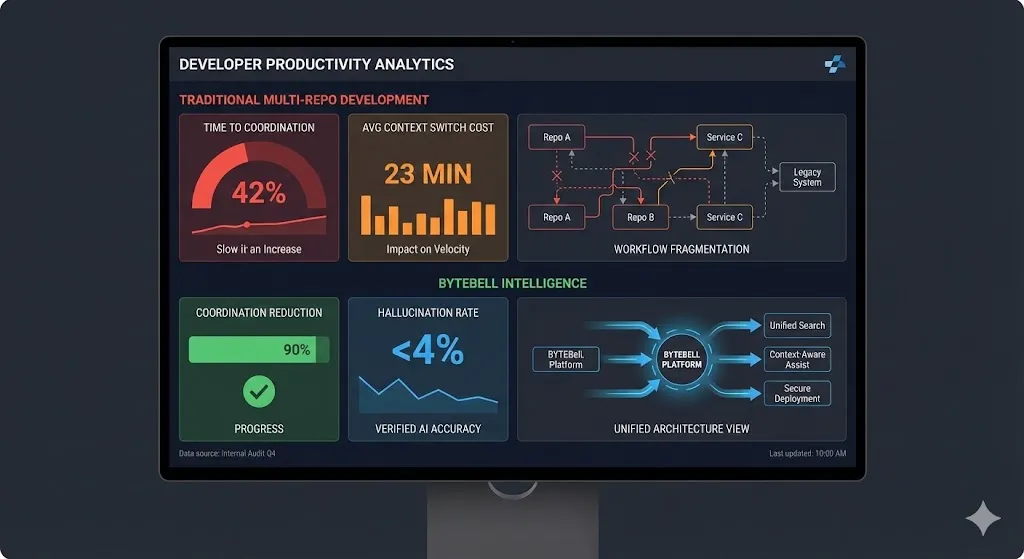
Build a developer copilot that answers with receipts and stays under 4% hallucination using retrieval augmented generation, structure aware chunking, version aware graphs, and conservative confidence thresholds.

Before creating evaluation datasets for a GraphRAG system, you must understand your codebase topology. This post walks through building repository dependency graphs, classifying repos by role, mining real developer questions, and identifying high-priority code regions that stress cross-repository retrieval.

Discover how to integrate the Model Context Protocol (MCP) into your Developer Copilot for real-time data fetch, secure action workflows, and seamless AI-driven developer automation.

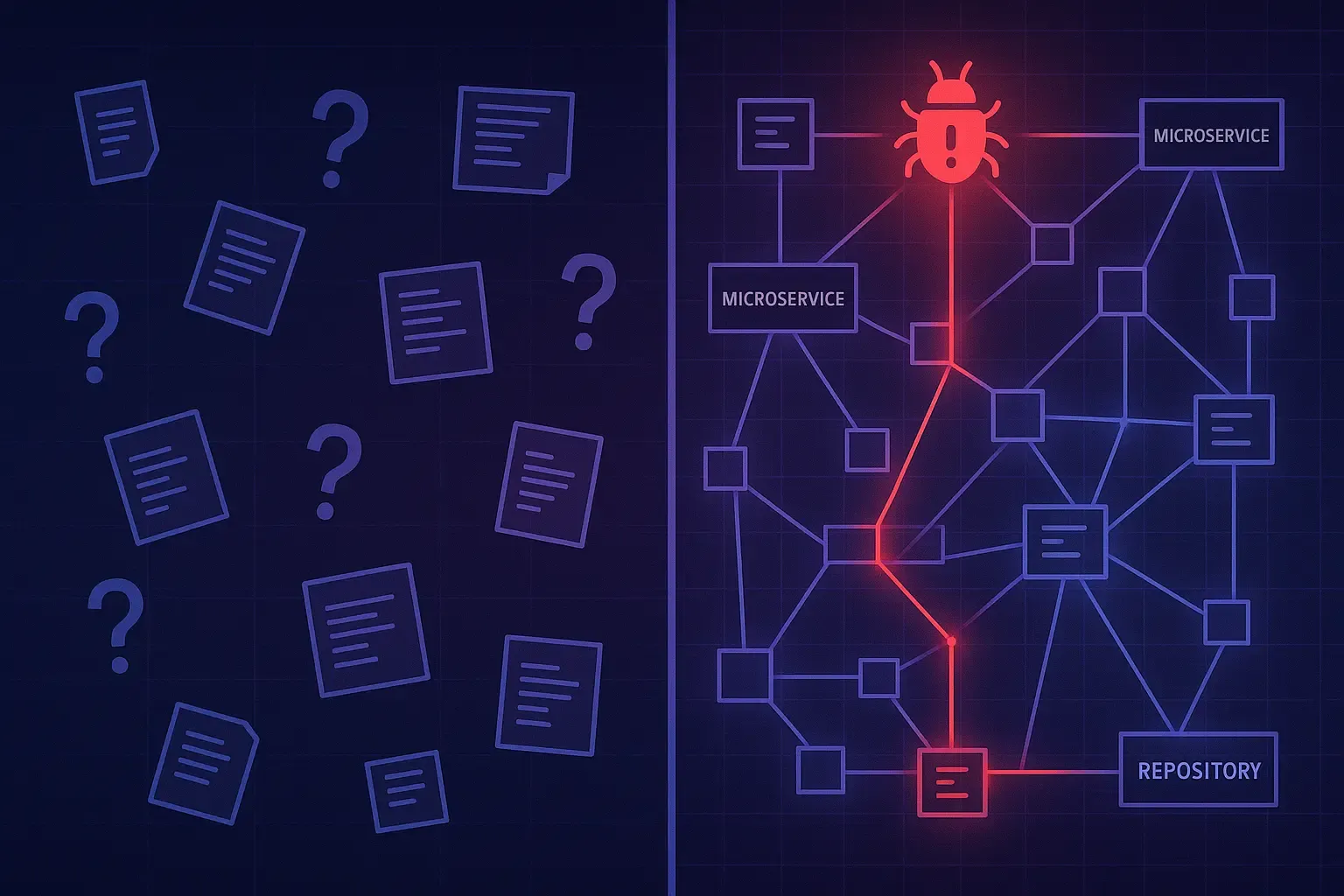
Tracing a production bug across microservices shouldn't take hours of repository hopping. See how enterprise teams use multi-repo code search to follow call paths, identify root causes, and debug cross-service failures in minutes instead of days.

Move beyond keyword matching with semantic code search. Learn how embeddings, function-level understanding, and knowledge graphs transform code discovery—plus why citations matter for enterprise teams who can't afford hallucinated answers.

A practical guide to measuring retrieval quality in GraphRAG systems operating across multiple repositories. Covers gold-standard design, graded relevance metrics, cross-repository precision, graph traversal evaluation, and version coherence to ensure correct multi-repo retrieval.

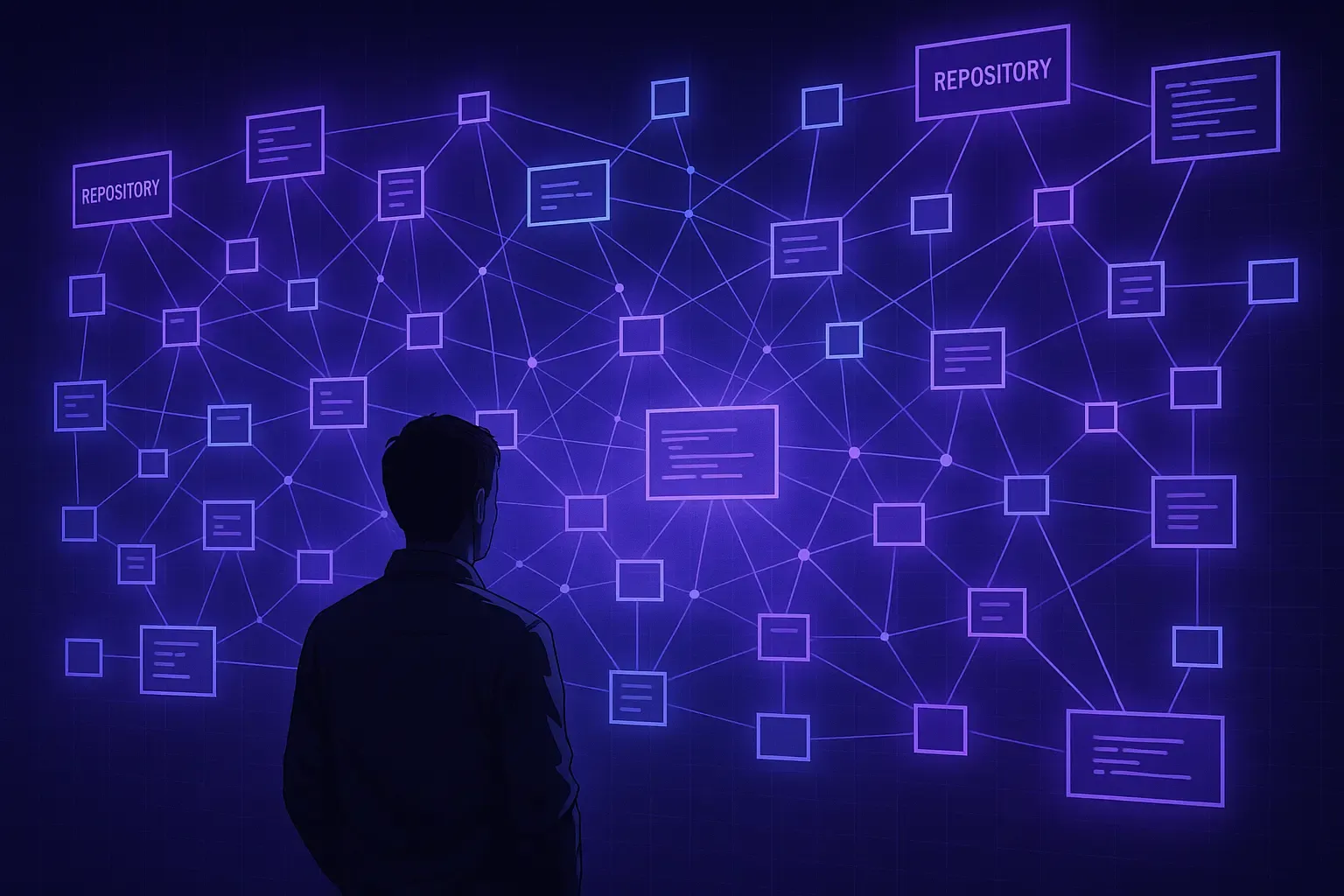
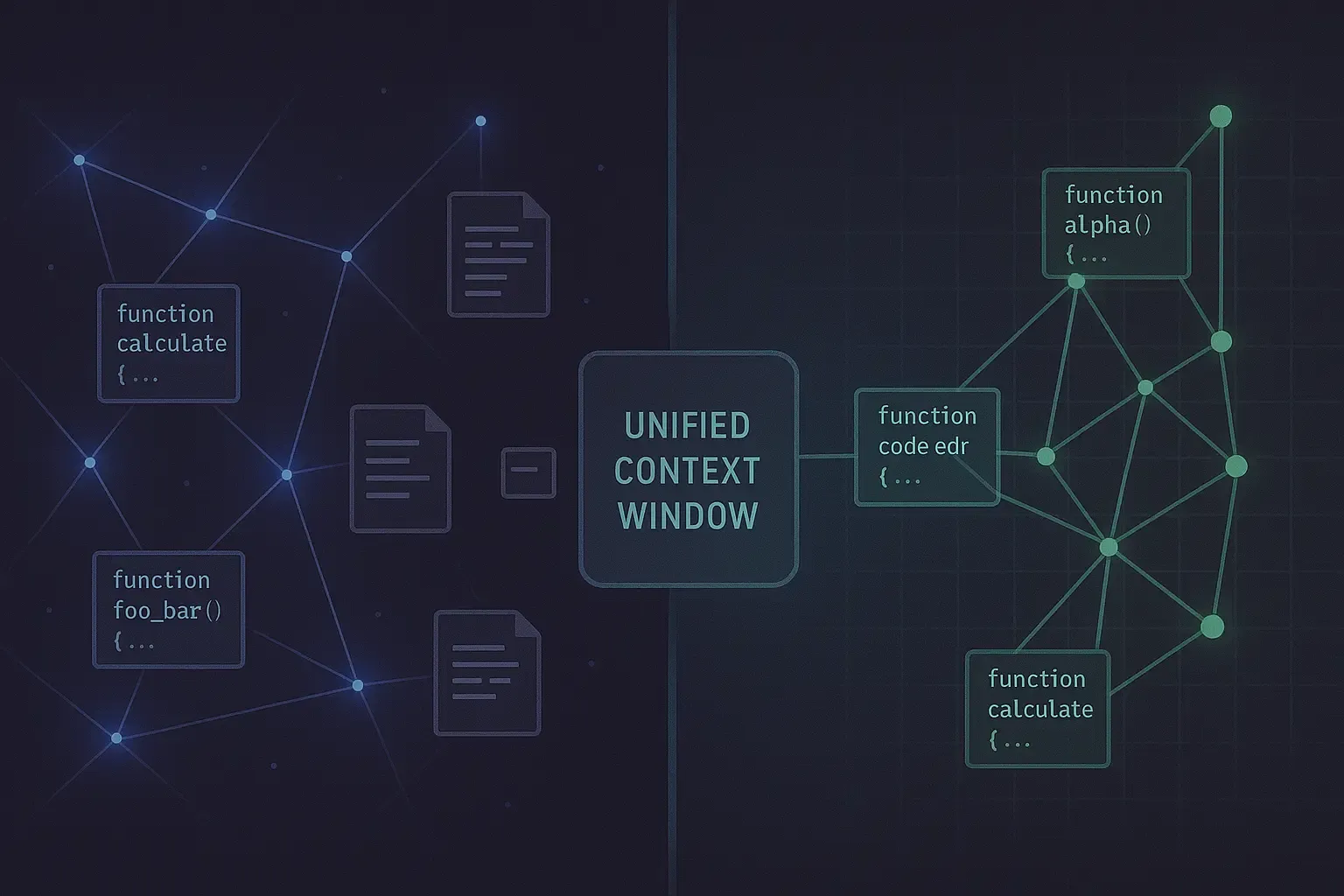
Vector search finds relevant code but misses the blast radius. Learn how combining lightweight code graphs with RAG creates cross-repository context that makes code changes across 50+ repositories predictable—without heavy graph infrastructure.

Learn how to build a high‐performance Developer Copilot using Retrieval-Augmented Generation (RAG), vector databases, semantic search, and best practices for developer documentation search.

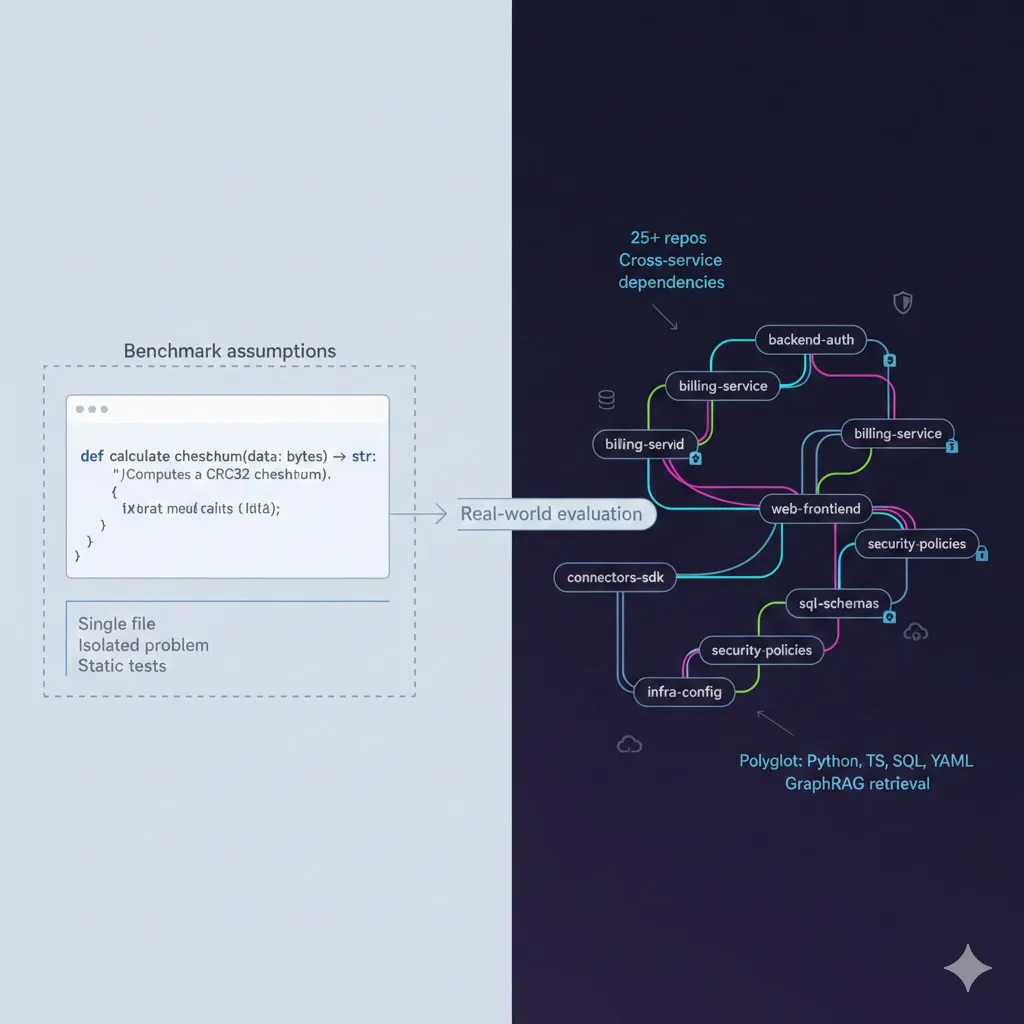
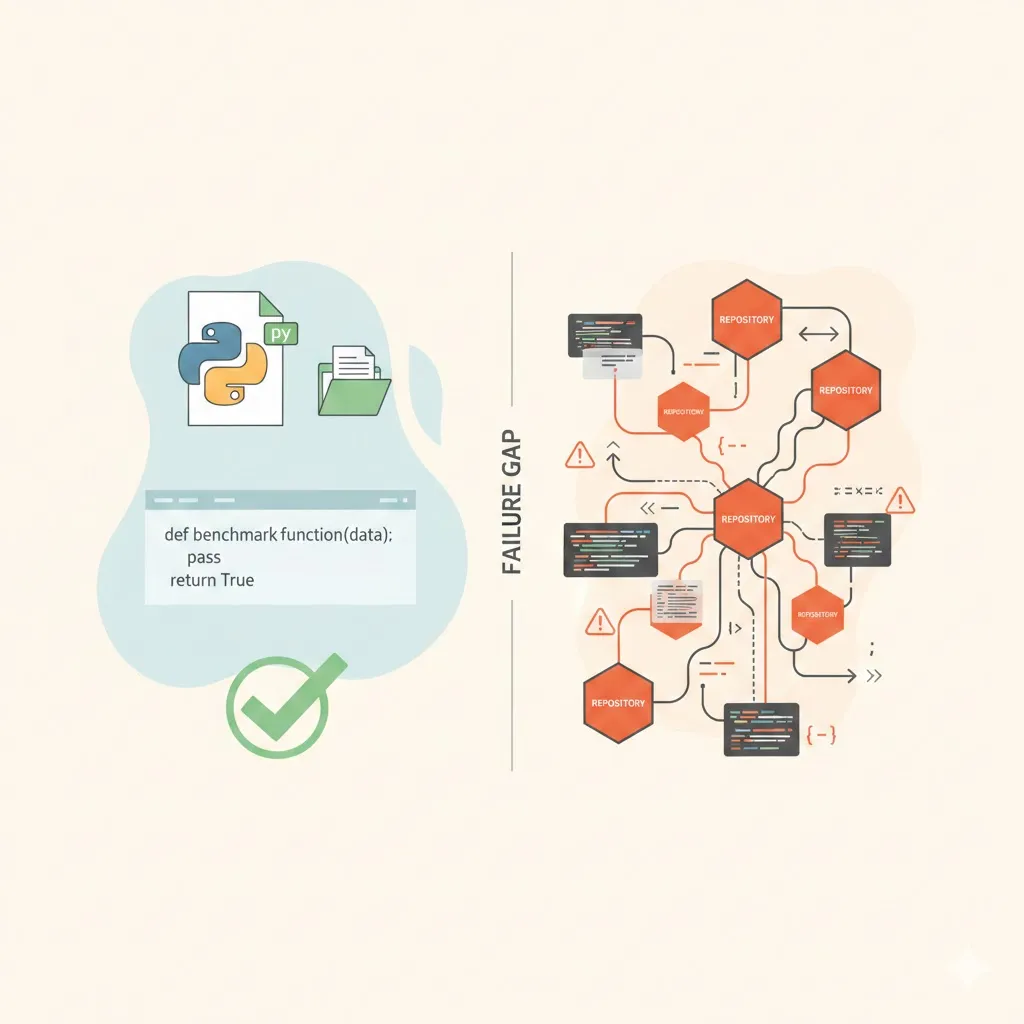
Existing benchmarks like HumanEval, MBPP, and SWE-Bench assume single-file, isolated context and cannot evaluate GraphRAG systems that reason across tens of thousands of files, multiple repositories, and evolving services. This post explains the unique failure modes in cross-repository retrieval and what metrics actually matter.

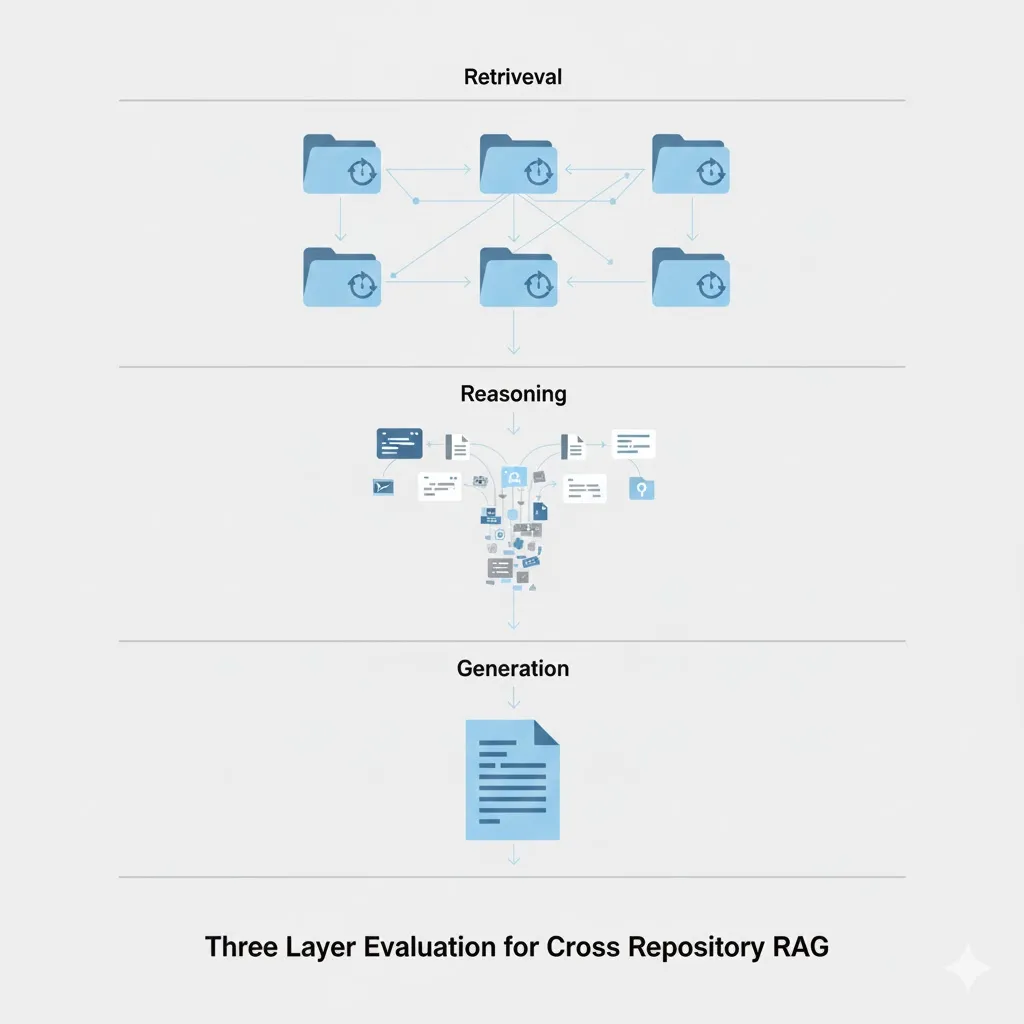
A comprehensive evaluation architecture for GraphRAG systems operating across multiple repositories. This post introduces the retrieval → reasoning → generation framework with specific metrics, target thresholds, and implementation code for each layer.

GitHub Copilot, Cursor, and Sourcegraph can't handle cross-repository dependencies. See why ByteBell's multi-repo intelligence solves what they can't.