Models made code cheap to write. We made it safe to ship.
A derived specification of every file you own, and a gate that checks every change against it, across every repository you have.
How Mark became the person production trusts

He wrote it by hand
Every line came from an engineer who chose it, at the pace a human can actually think.
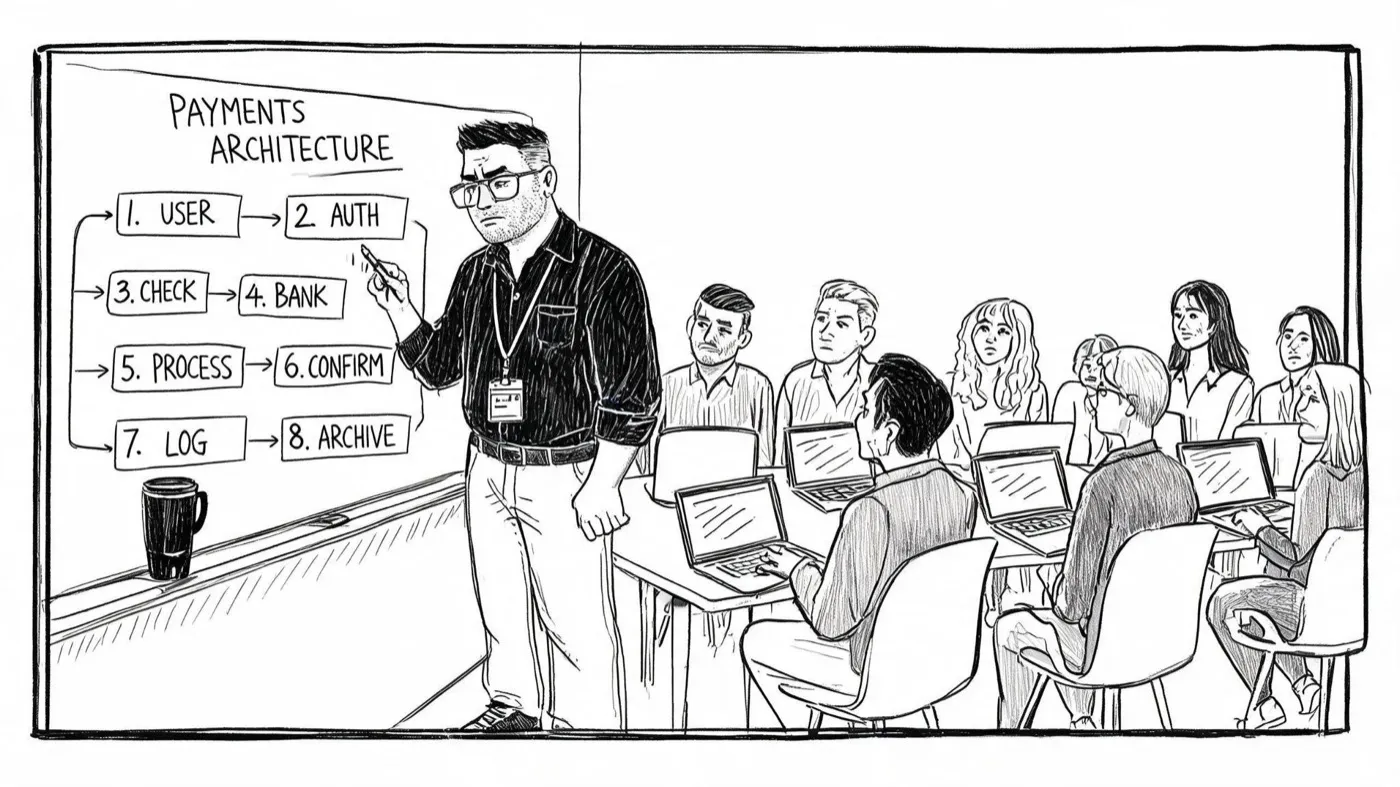
Eight engineers, one name
Mark leads the team that owns the platform he built. Whatever ships, ships under his name.
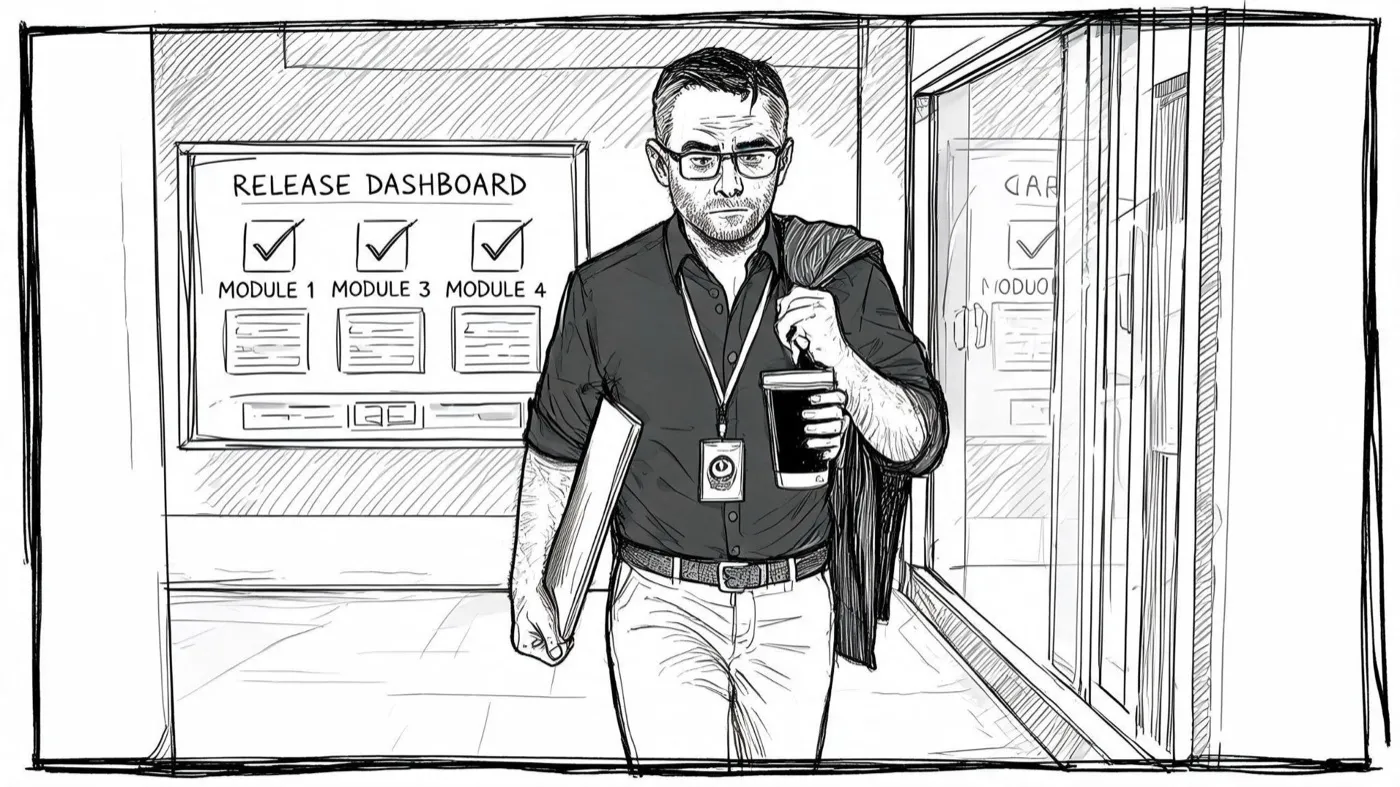
He held the whole shape
Twelve years of context in one head. That was the system that kept production safe.
The system made sense
Written by a person. Reviewed by a person. Understood by someone.
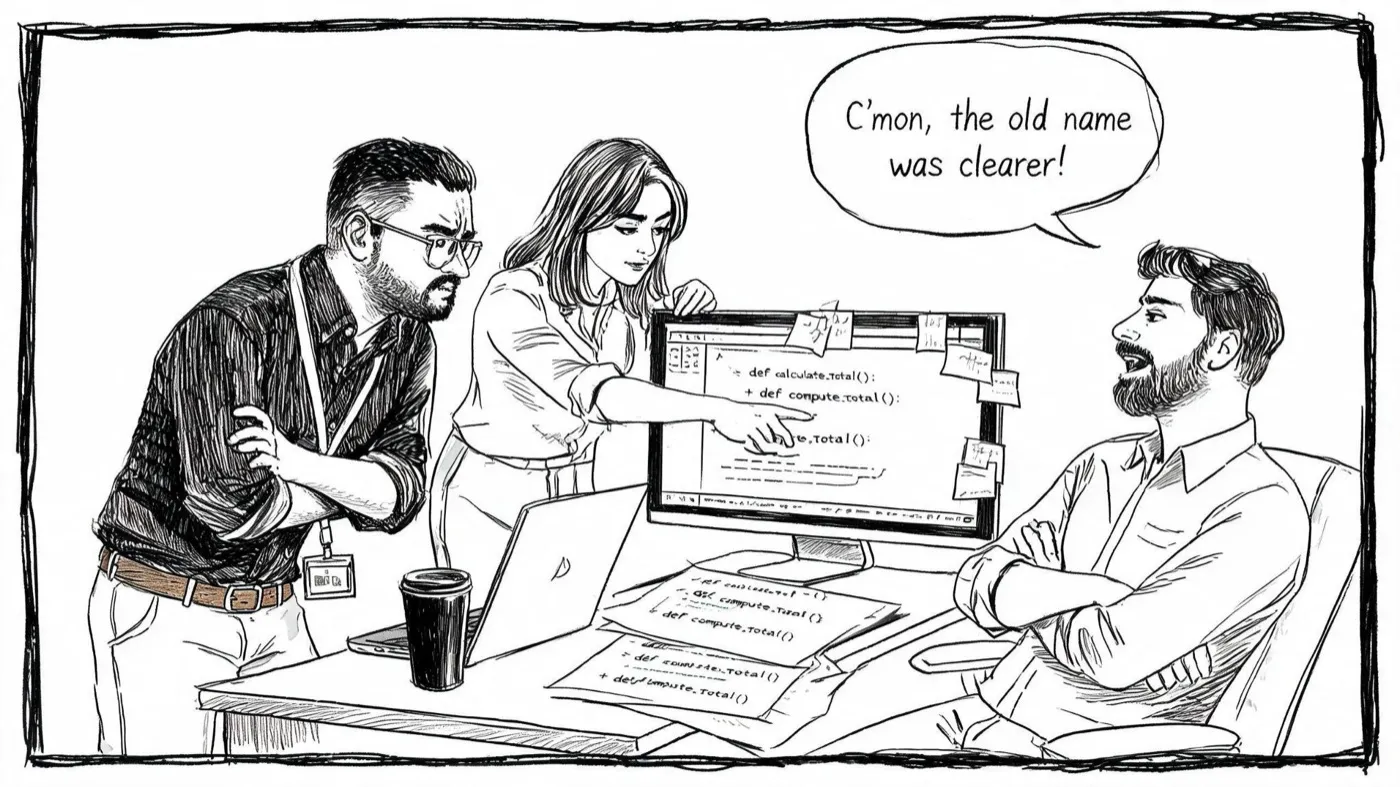
Reviewed by a person
Another engineer read it, questioned it, and pushed back before it merged.
Understood by someone
For every part of the system, some human still held the reason it worked.
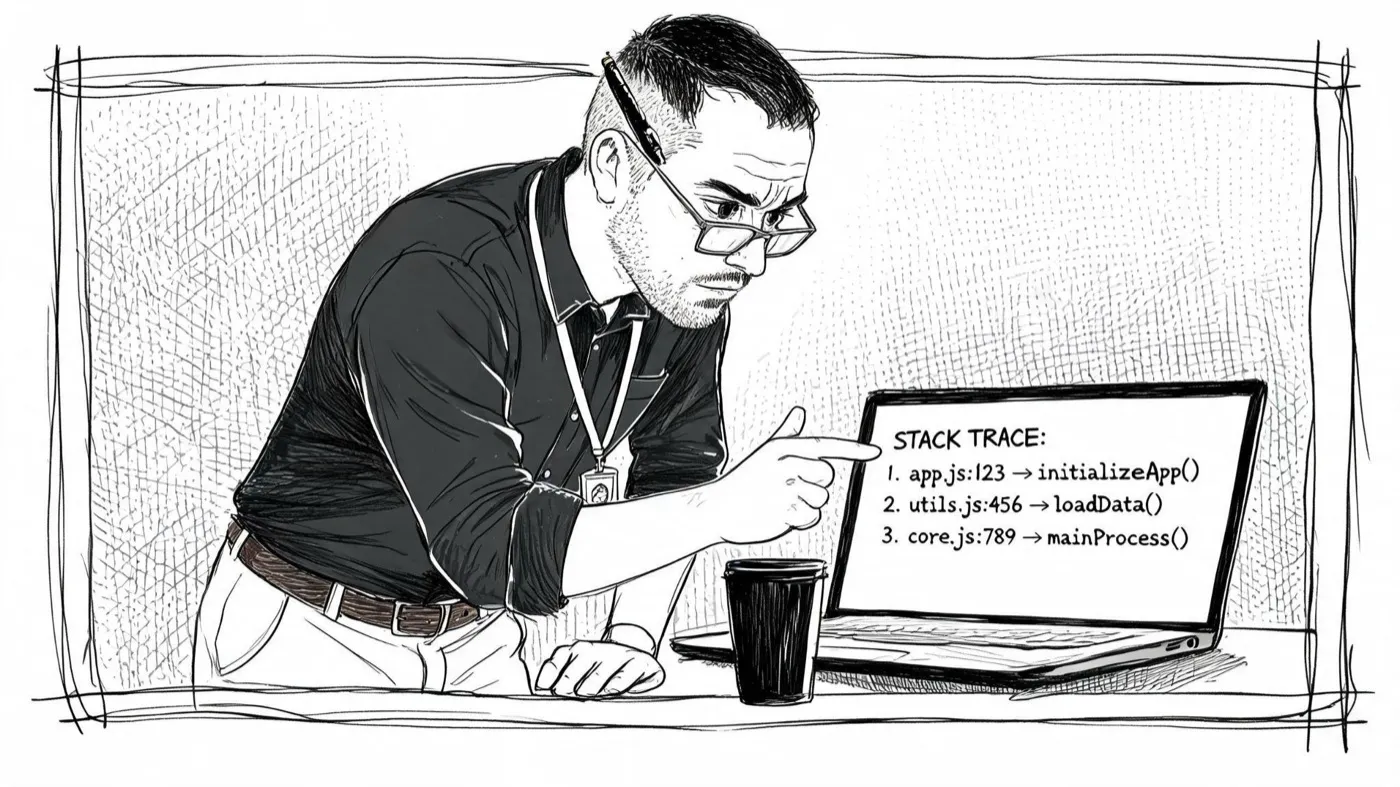
Traceable to a decision
Slow, yes. But Mark could trace any break to a person and the choice they made.
Three weeks is all it took for the old rhythm to stop working
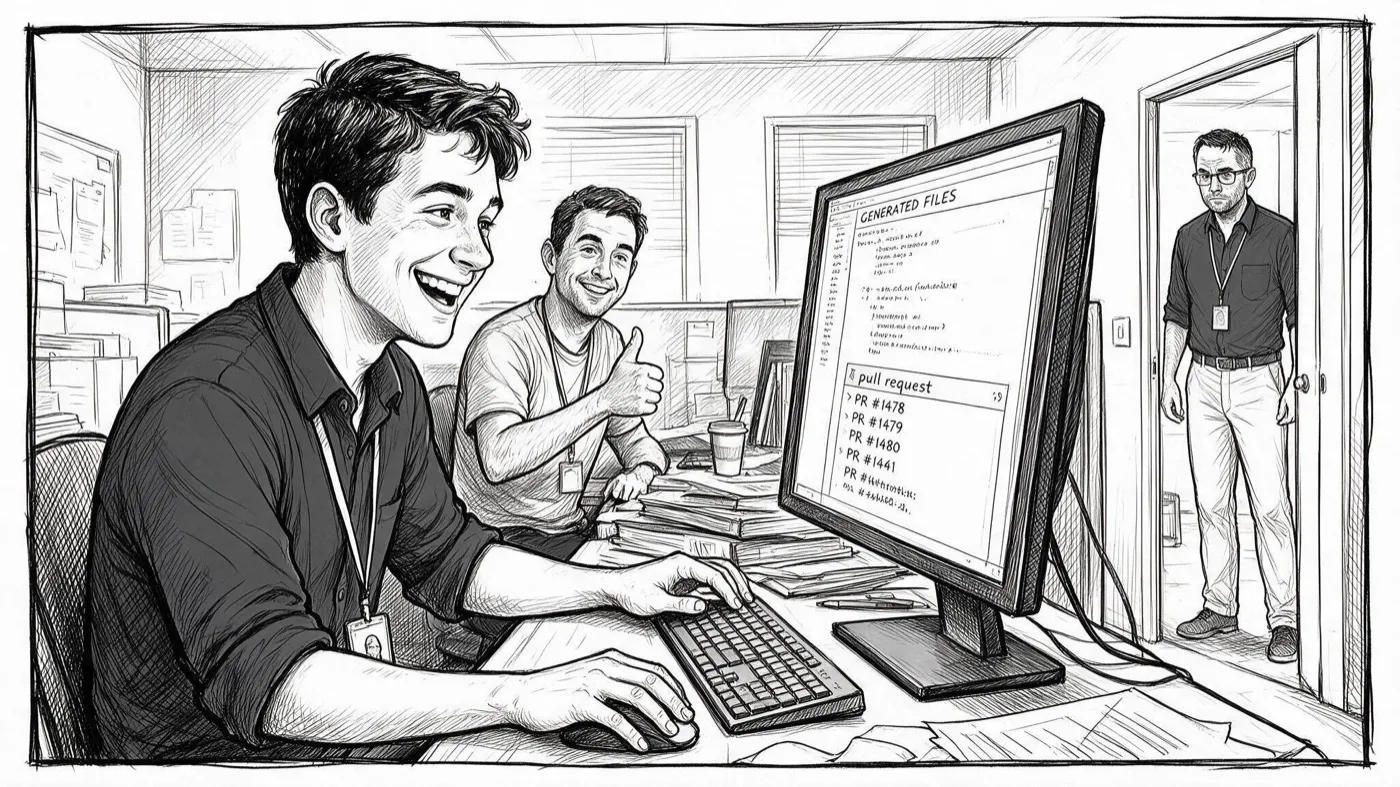
10× the code, overnight
His org ships most of its code with AI, more each week than eight engineers could ever read.
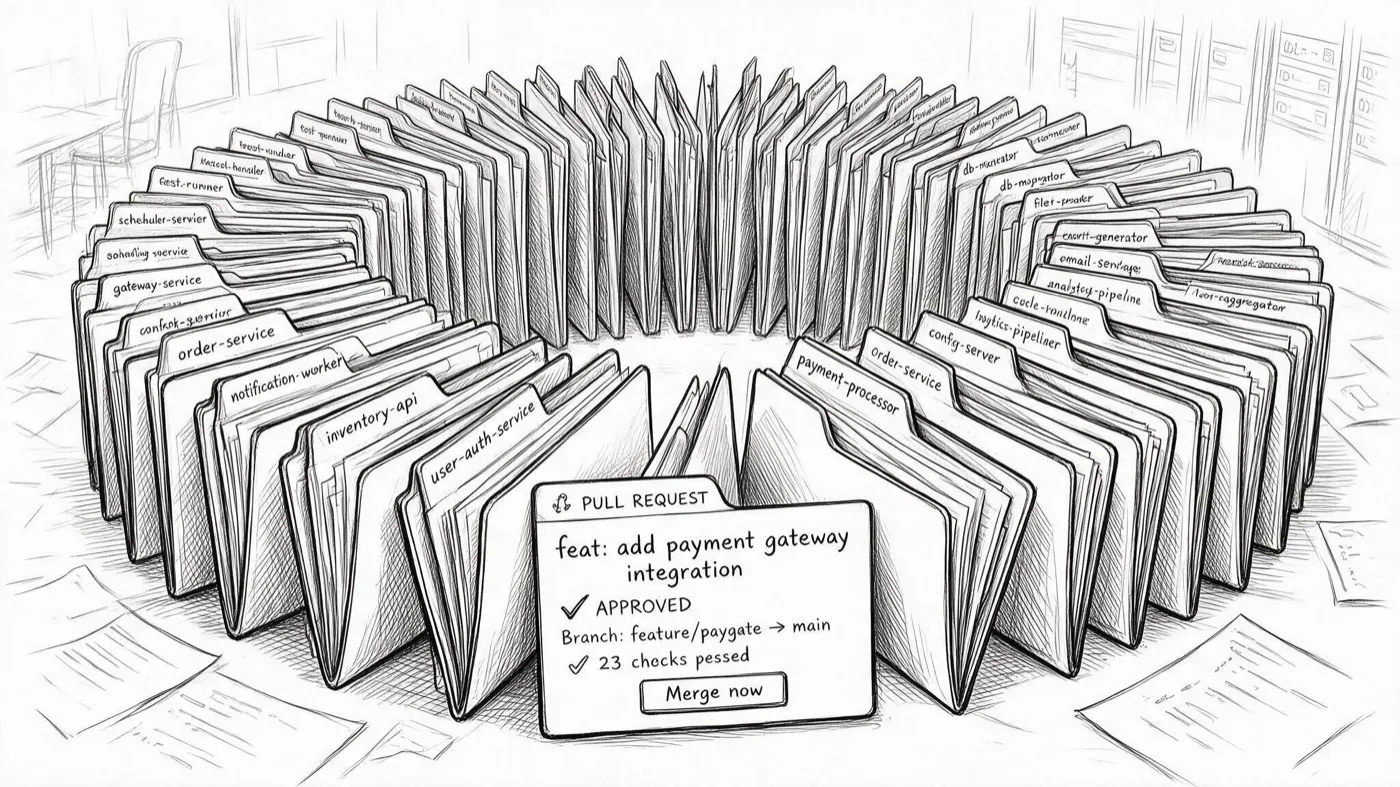
One change, three thousand lines
A single merge from his team now touches twenty repositories.
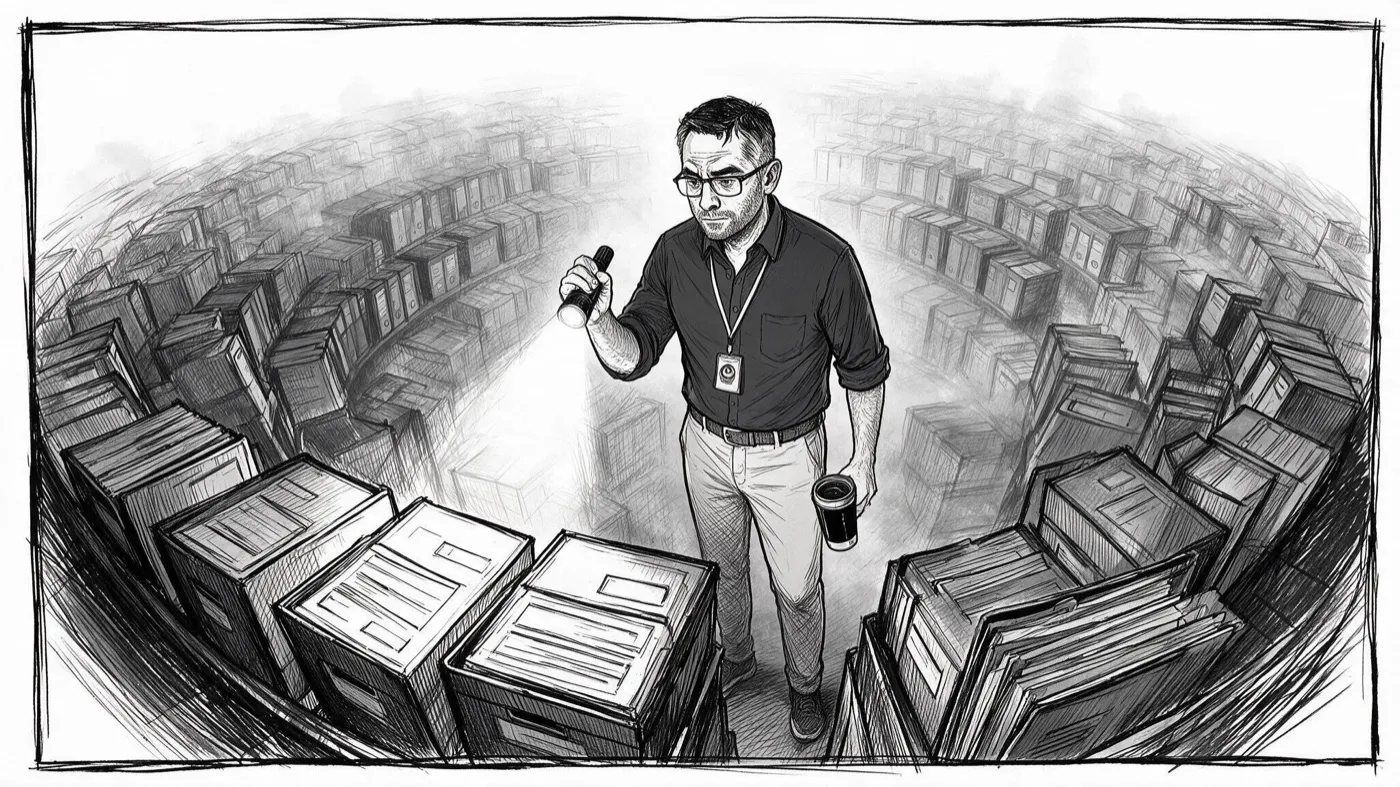
He can't hold it in his head
Mark and his copilot remember three or four repositories at best. The rest is fog.
The new bottleneck is what nobody can explain
The code written races ahead. The code anyone understands barely moves.
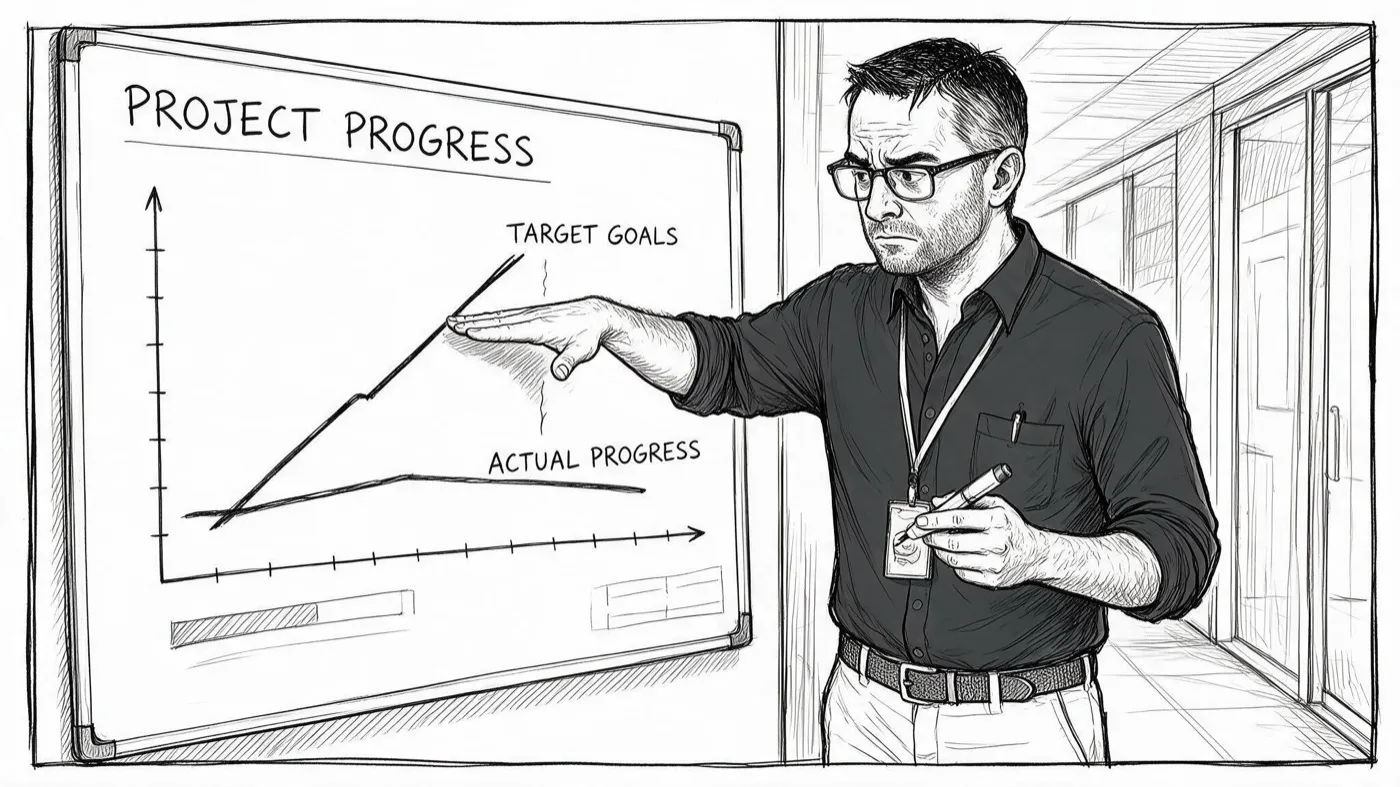
Cognitive debt
The widening gap between what the team ships and what anyone can explain.

2 a.m.
Somewhere in the fog was the thing that breaks. It found him first.

Paying it down by hand
One anxious review at a time, instead of building.
You're Mark
Three moments every engineering leader has already lived.
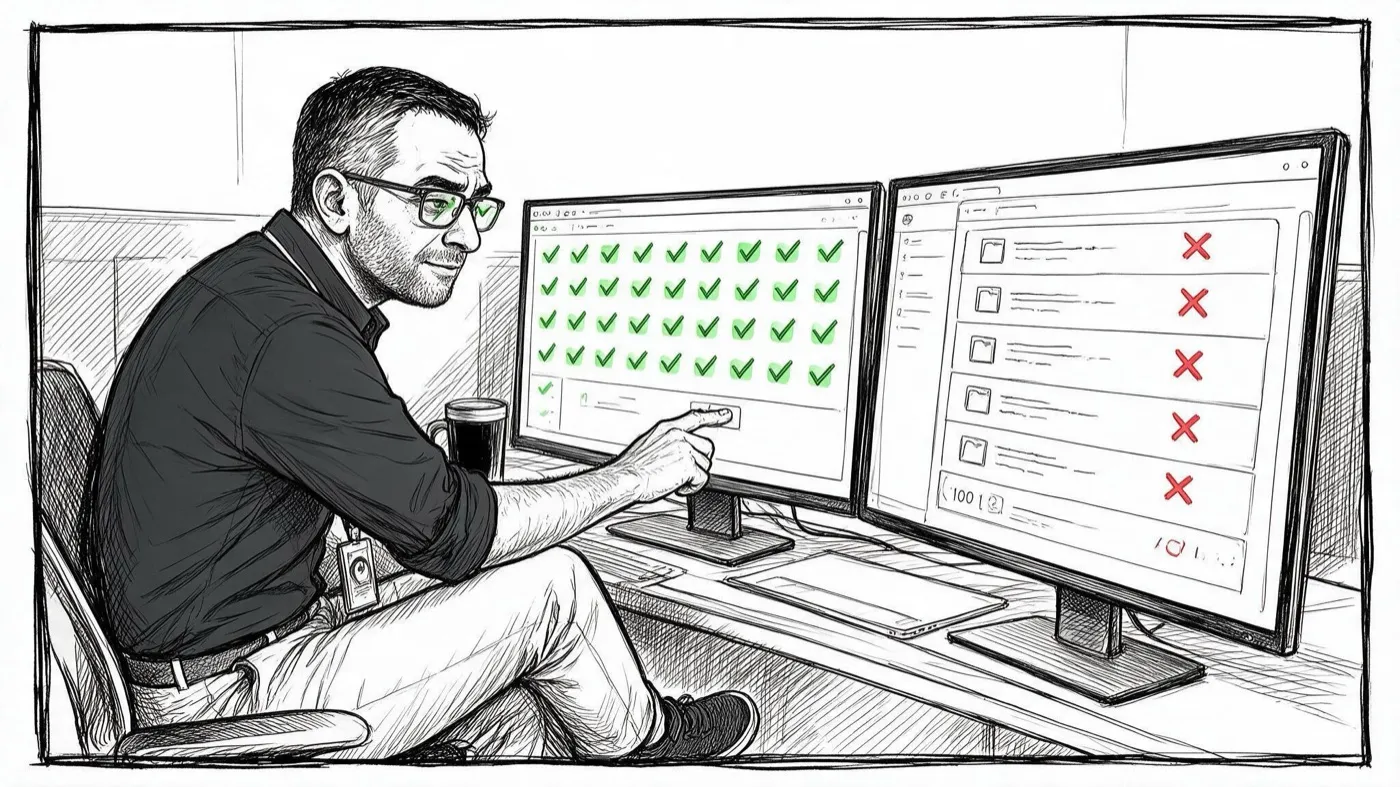
Everybody writes 10× code
Outages are frequent and priced in. Speed is what the roadmap, the market and the board reward.
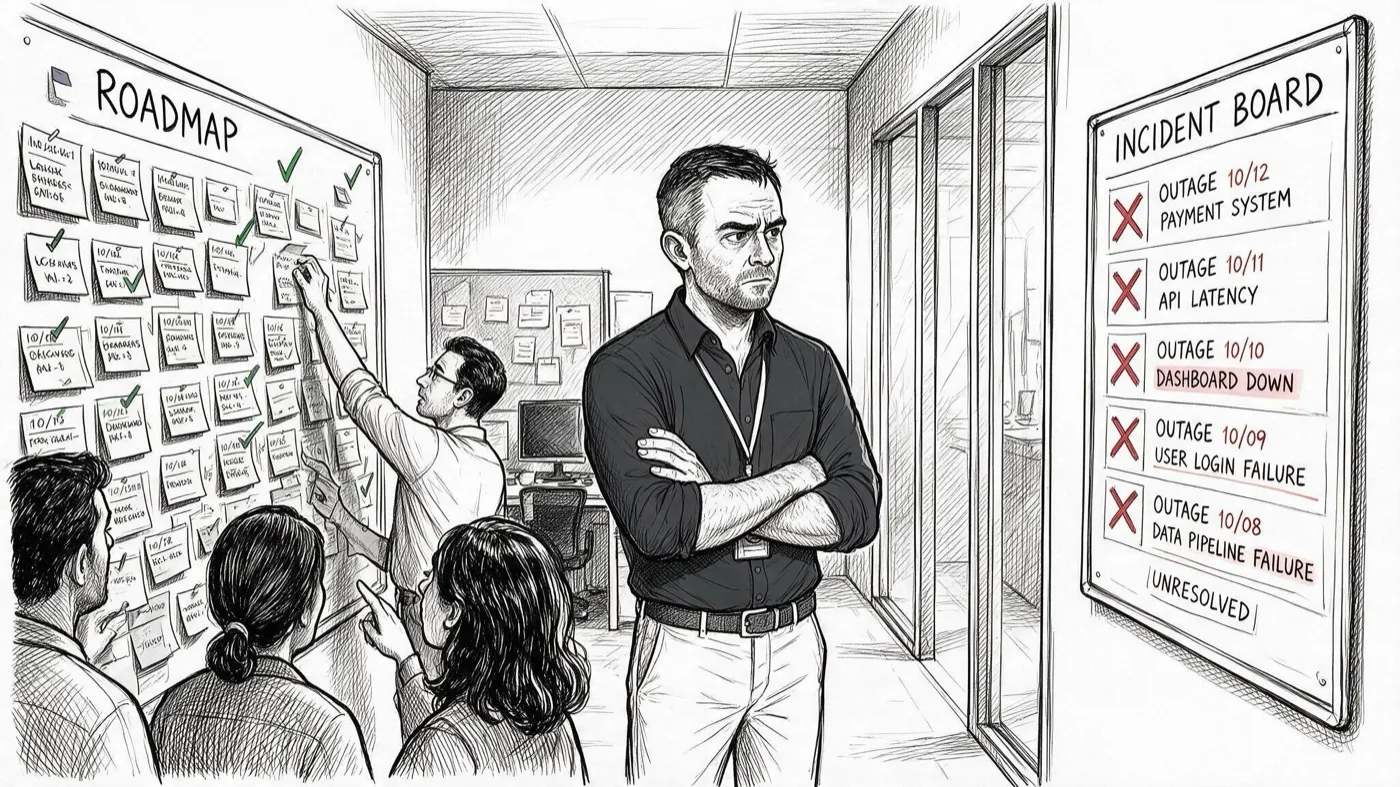
Approved because the tests are green
Every check passed in the repository the change was written in. That was the only place it was ever tested.
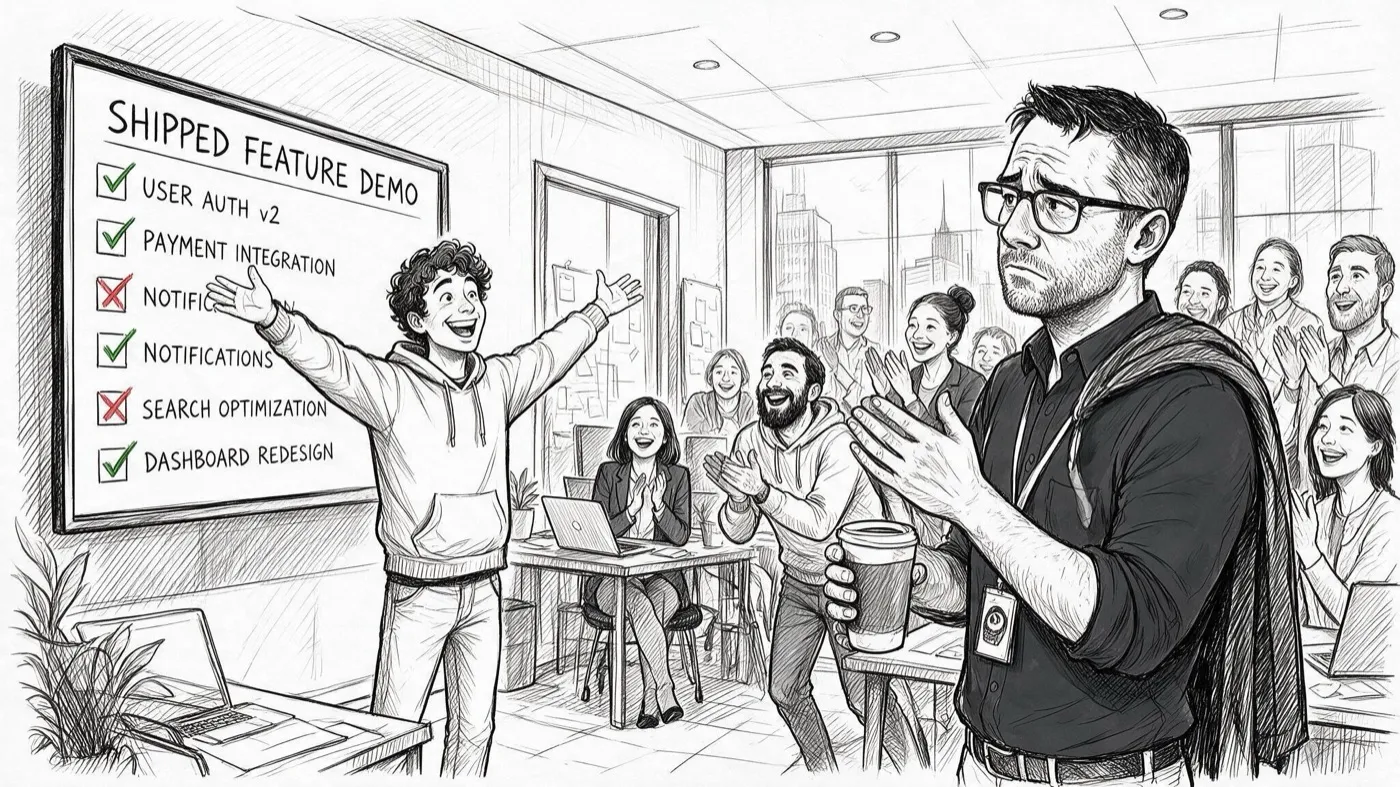
It fails everywhere else
The agent wrote from the spec in front of it. Mark reviewed the repo in front of him. Neither saw the contract three repos away.
Nothing here needs a new invention. It only needs the current rate to continue.
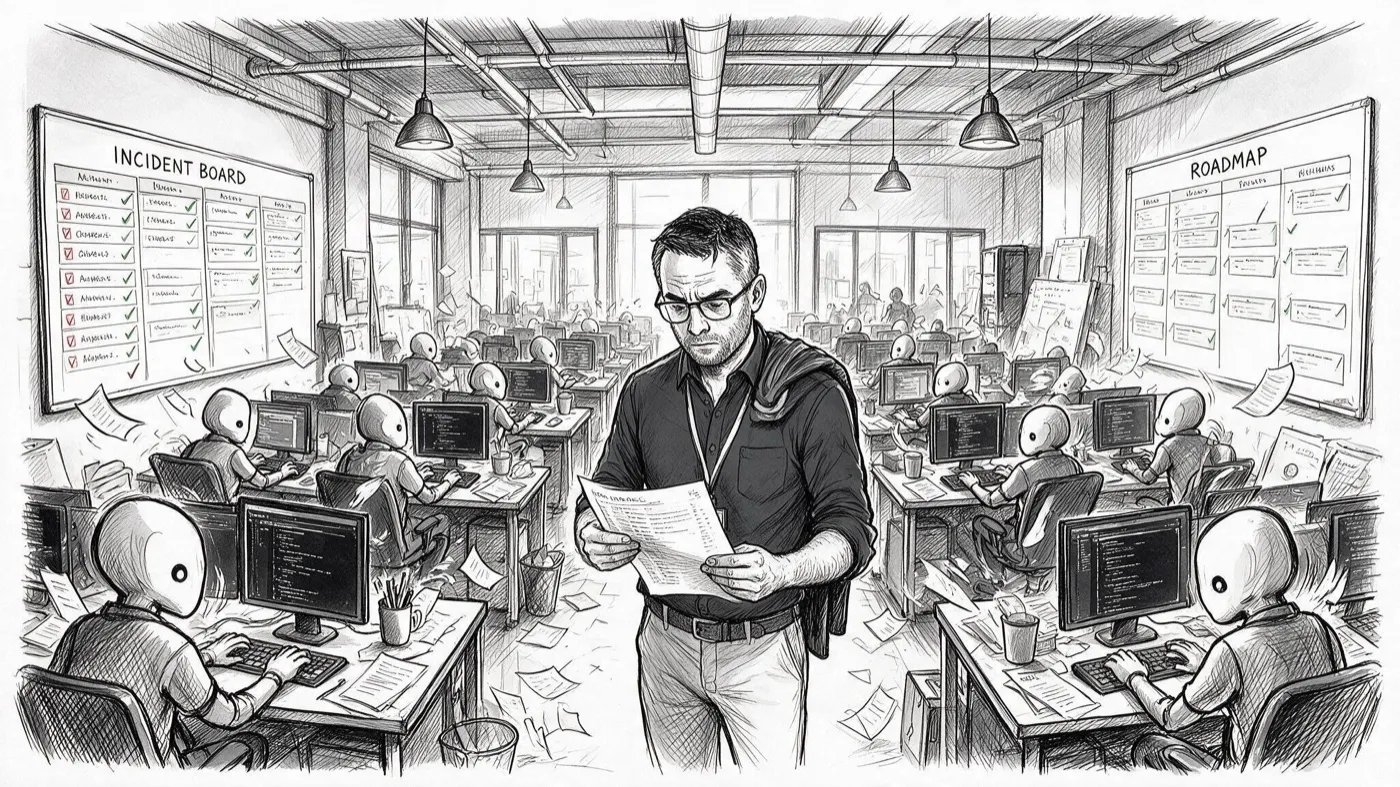
100× the code
Agents already write most of it, and no one runs cross-repo analysis on any of it.
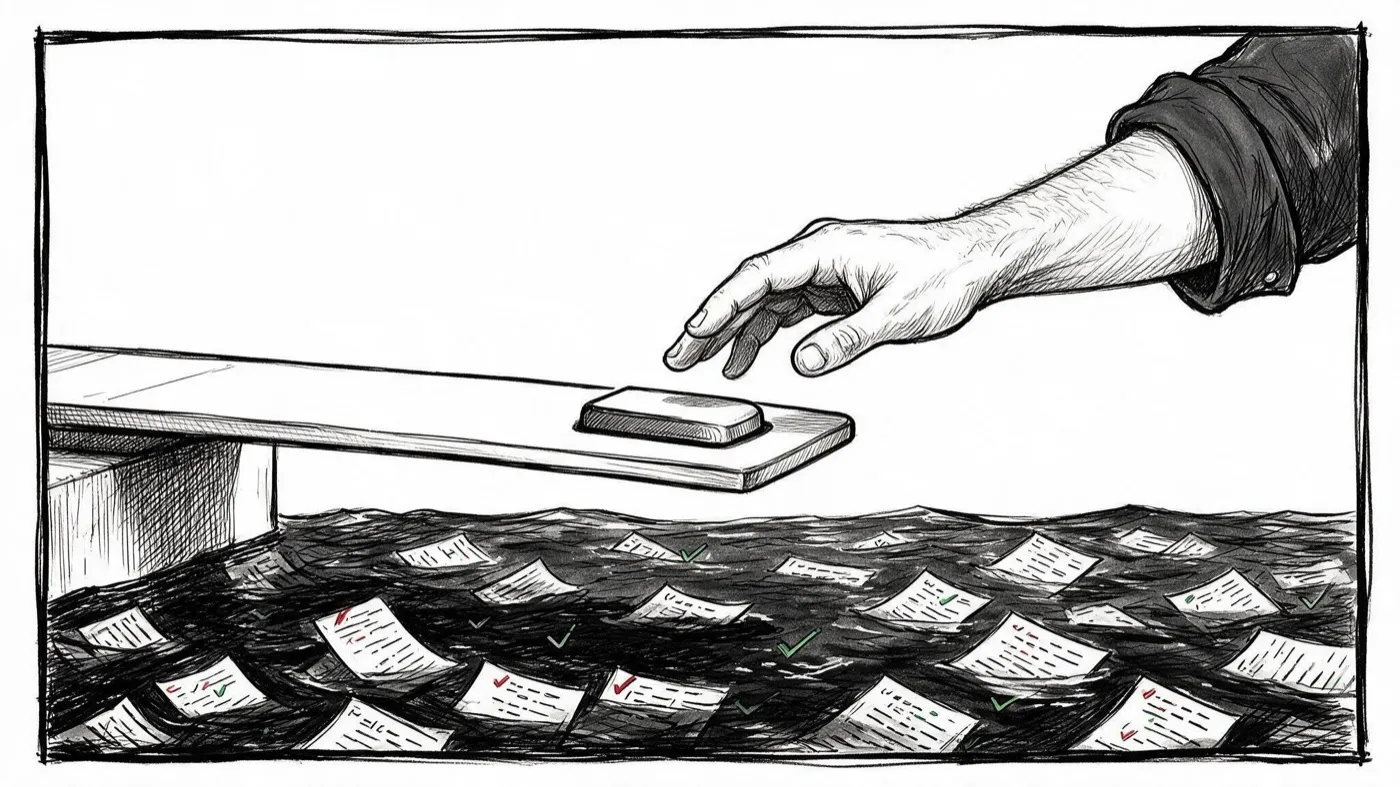
Every merge is faith
Approval stops meaning verified and starts meaning nobody objected in time.
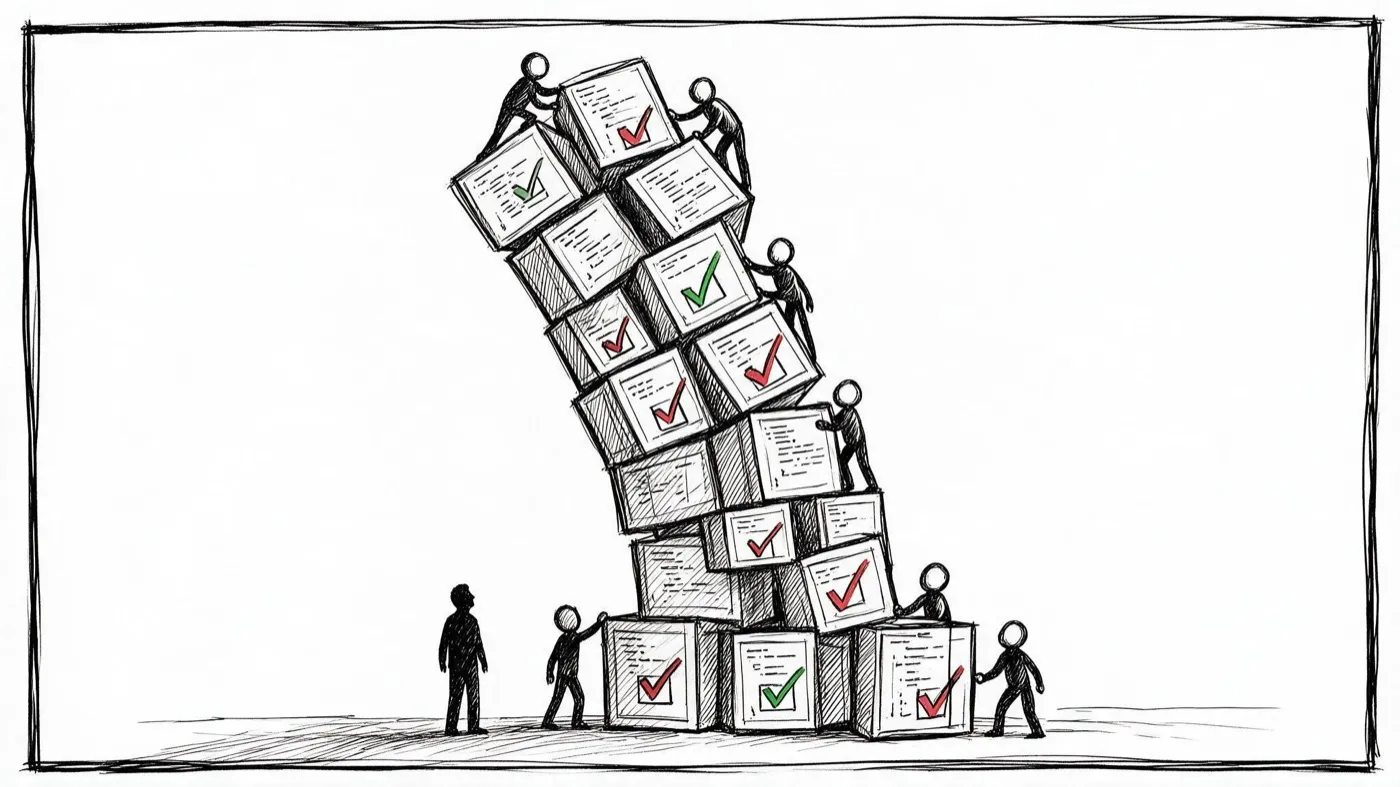
Agents on agent code
New output piles onto last year's unreviewed code, generated against assumptions no one recorded.
Either no one can change it, or there is a layer underneath
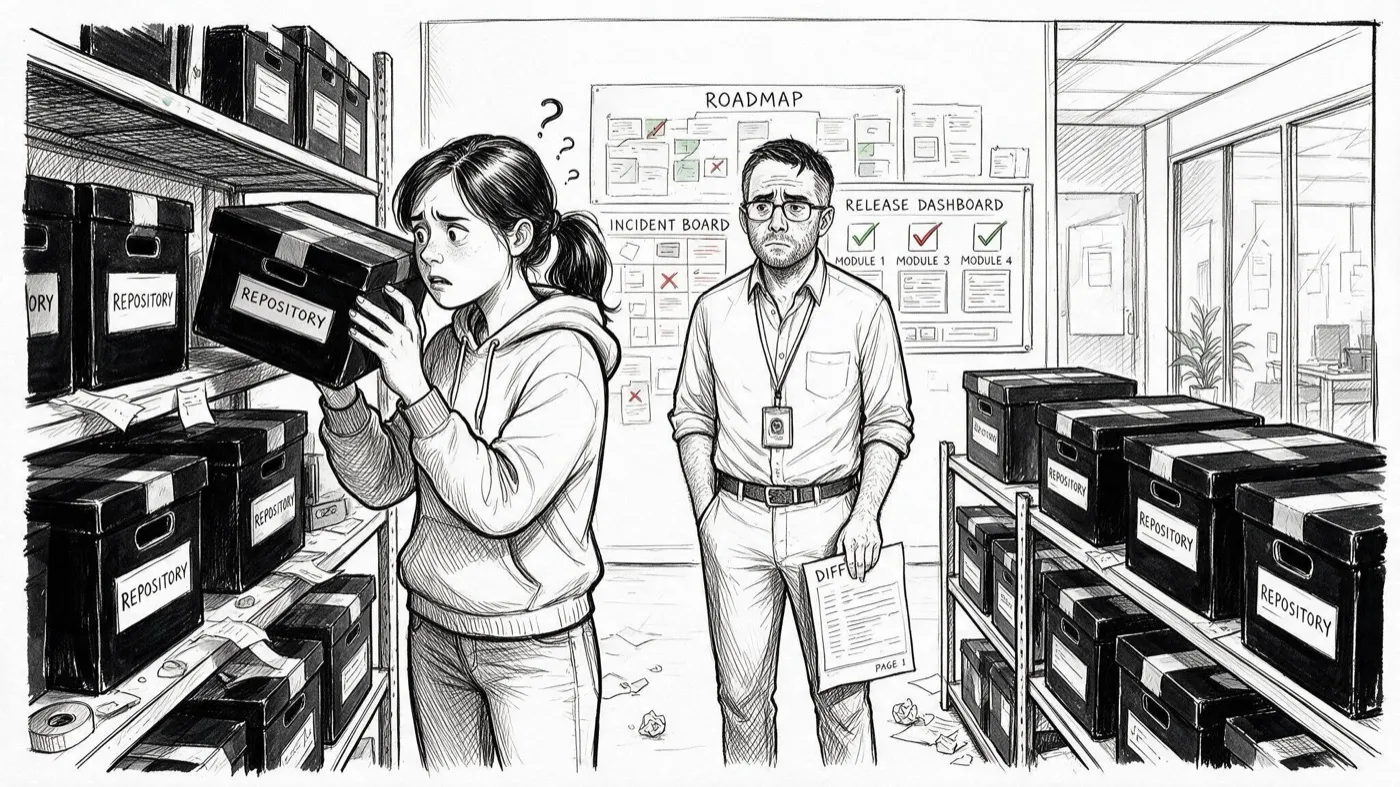
Every repo a black box
The reasons are gone. Only the running behaviour is left, and it is the only spec.
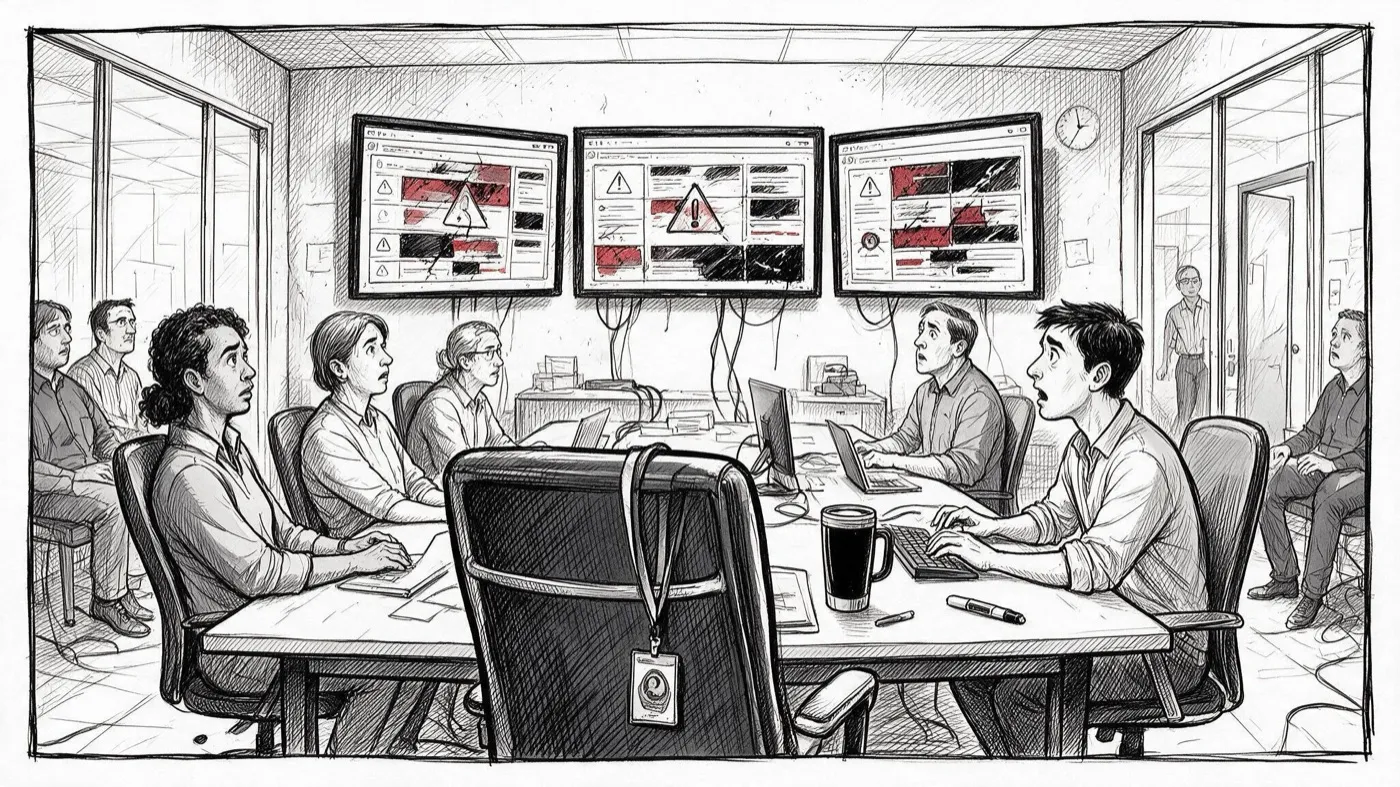
No one can change it
Production breaks faster than anyone can trace, and every fix risks two more breaks.
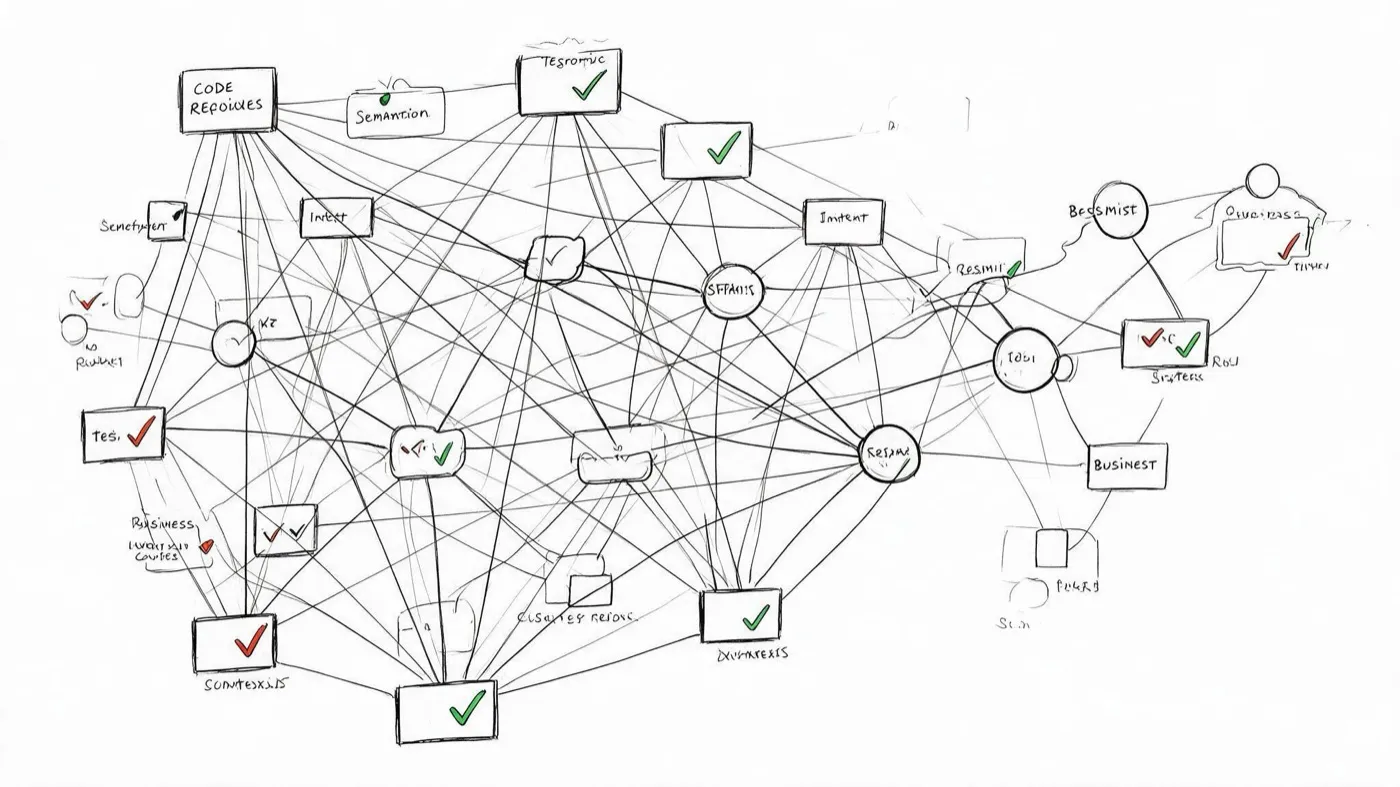
Or a verification layer
Built once from the code you already run, read by every tool, checked before every merge.
Analyse the code once, before anybody asks a question.
Four steps. The first three run before anyone asks a question.
Ingest
Derive intent
The layer
Serve
Your source never crosses the boundary.
Indexing runs on your hardware against your own AI gateway. The layer is only ever present on your private servers, and it is served to your tools from there.
There are three ways to get this. We already tried two of them.
6 months, 6 engineers
You would build AST plus embeddings first, because every team does. We launched exactly that in January 2026 and deleted it in March on accuracy.
Free, and it stops at one repo
Graphify, CodeGraph and GitNexus are competent and deterministic. They are also single repository by construction, and they report tokens rather than correctness.
$100 per repository
Two discarded architectures already paid for. Cross repository, intent aware, on your own hardware, with a published accuracy number.
Building it internally means buying six months of negative results at full price. One serious cross-repo incident already costs more than a year of Option C.
Open-source graphs map what calls what, never why it exists.
- Deterministic Tree-sitter parsing, every edge explained, stored in a vector store
- Local, private, free, and served to your agent over MCP
- Real token savings on structural questions inside one repository
- Single repository by construction, so it is blind to queues, events and shared schemas
- No intent layer, so a syntax tree says what calls what and never why
- Resolves at query time, so every question pays for the work again
- A developer tool with no owner, no access control and no audit trail
Measured on Kubernetes. Reproduced on customer estates.
Kubernetes ecosystem
Public repositories, so you can rerun it yourself.
94%+ at 92 codebases
More repositories than the benchmark, and accuracy went up.
93%+ on blast radius
Upstream and downstream analysis plus verification, daily.
Recorded runs are published.
The layer updates five minutes after each commit, and nobody operates it.
Commit to gate, worst case. The first index runs once, at about fifteen minutes per thousand files.
Other tools cover one step. ByteBell closes the whole loop.
| ByteBell | OSS graphs | CodeRabbit | Greptile | Spec kits | |
|---|---|---|---|---|---|
| Reaches across every repository | yes | no | no | no | no |
| Covers legacy nobody has read since 2019 | yes | part | no | part | no |
| Derives the spec instead of asking you to write it | yes | no | no | no | no |
| Verifies a change against intent pre-merge | yes | no | part | part | no |
| Runs inference inside your own network | yes | part | no | no | no |
| Publishes an accuracy figure, not a token figure | yes | no | part | part | no |
Cursor, Copilot and CodeRabbit are integration targets rather than competitors. We make what they generate checkable.
Pick 5 repositories. We will prove it on your code.
We index them, verify a real cross-repo change in front of you, and rerun the benchmark on your own codebase during the pilot.